The Republican Case for a More Efficient USDA
Ask a farmer about USDA paperwork and you will get a story. Supporters of the Republican approach argue the department should be faster, simpler and better aimed, and critics worry about service cuts.
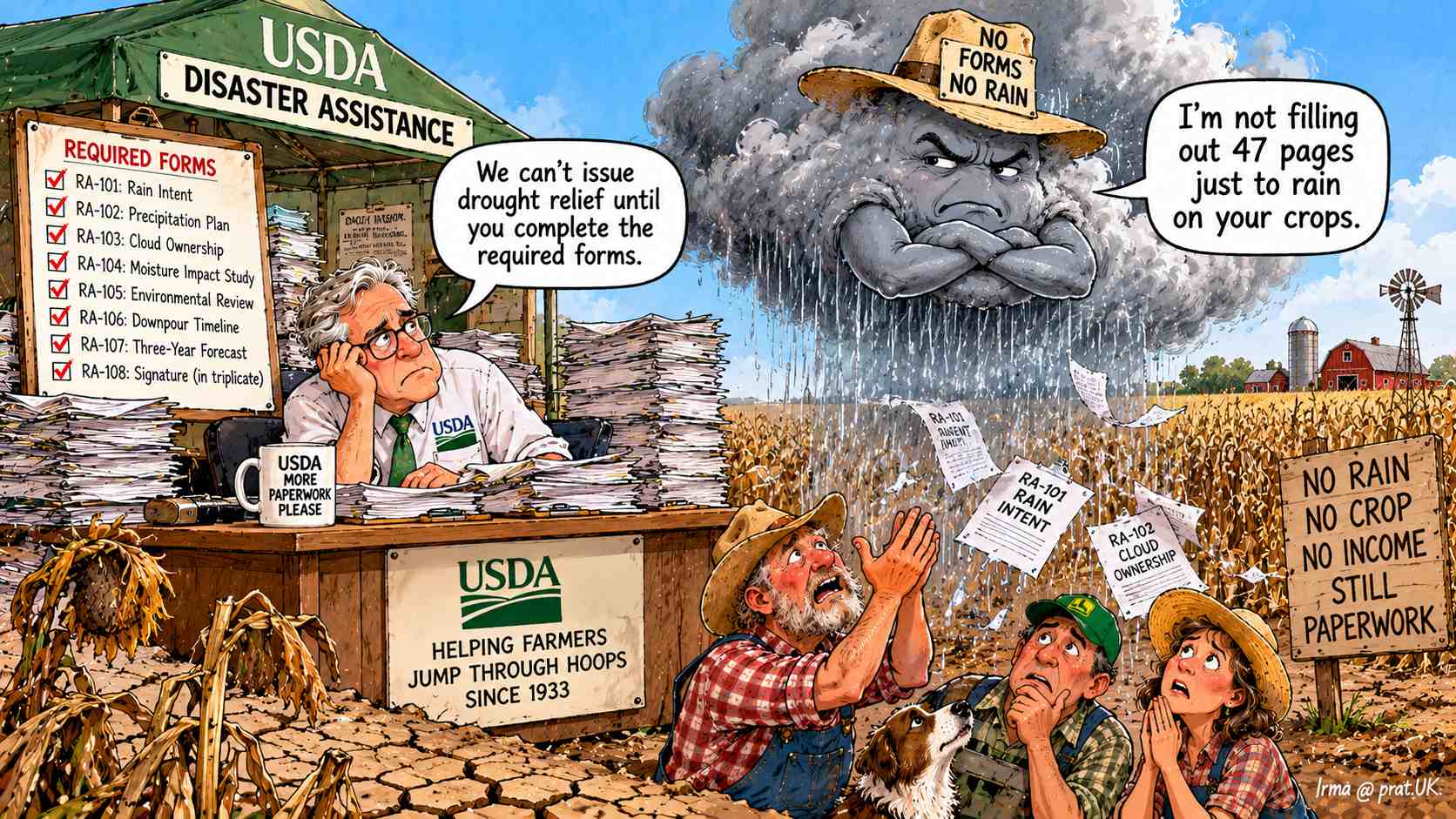
What does efficiency mean for a farmer?
For most producers, it is simple: fewer trips, fewer forms, quicker answers. Someone who wants to enroll in a program or get a loan should not need three visits and a stack of duplicates. Supporters of the Republican approach say efficiency is about respect for a farmer's time during the short windows of planting and harvest.
The department is huge, with agencies from the Farm Service Agency and NRCS to APHIS and Rural Development. Each has its own forms and its own rules, and a producer often deals with several at once.
A hypothetical example, offered only as an illustration: a rancher needs a signature on a program form, but the person who handles it is two counties away on a day the office is open only part-time. Multiply that by hundreds of producers and you can see why people talk about efficiency so much.
What do supporters propose?
Their ideas tend to cluster in a few groups. One is consolidating or coordinating overlapping programs so a producer does not have to apply in many places. Another is digital tools that let farmers file and track paperwork online. A third is measuring programs by results and trimming those that no longer serve a clear purpose.
Supporters also argue that spending should be disciplined and that agencies should be held accountable for results. Watchdog reports from the Government Accountability Office often serve as evidence in these arguments, and you can read them yourself.
Supporters add that technology can help only if it is built for farmers. A tool that requires a fast internet connection is no help on a ranch with one bar of service. Good design, they say, means testing tools with real producers before rolling them out.
- One application for related programs
- Better online tools and tracking
- Clear performance measures
How does this look in Texas?
In a big state, distance matters. A rancher in the Panhandle may live a long drive from the nearest service center, and online options can save a morning. Others, especially older producers, prefer a counter and a person, and supporters of efficiency say good service should include both.
State agencies also play a role. The Texas Department of Agriculture runs programs of its own, and farmers sometimes need to tell the two systems apart. Farmers.gov offers a federal starting point for locating programs.
What do critics worry about?
Critics respond that efficiency can become a code word for cuts. They worry that closing offices or trimming staff would hurt rural areas that already have thin services, and that automated systems leave behind producers with spotty internet. Some also say that complexity exists because programs must prevent fraud and serve many different situations.
Other critics note that reorganizations can cost money and create confusion in the short term. Whether past efficiency efforts actually saved money or time is disputed, so read the numbers at the source rather than accepting a slogan from either side.
There is also a fair point about trust. Farmers have had programs change after they planned around them, and that makes every reform feel risky. Supporters and critics both agree that clear communication would help, even if they disagree on almost everything else.
What can you do right now to deal with USDA faster?
Practical steps help regardless of politics. Keep records organized, such as acreage reports, yield history, lease agreements and tax returns. Make an appointment rather than walking in, and ask which documents you need in advance. Call early in the season, before the rush.
Understanding how federal programs fit with your finances also helps, and this farm money guide covers basics. Newer producers may like this small farm information guide for a general overview.
When you plan a visit, write a short list of questions and bring copies, not originals, of anything you cannot replace. Ask for the name of the person who helped you and note the date. If something goes wrong later, that record is gold.
- Keep documents in one folder
- Ask what to bring before you go
- Make appointments early in the season
- Learn your service center contacts
How can you give feedback or follow reforms?
Congress sets what USDA does and funds it, so the best place to track proposals is Congress.gov. Farm organizations such as the Texas Farm Bureau also gather member feedback and pass it on.
A lighter take on the paperwork life is at farm.FM, which runs farm economics and agribusiness and farm satire that anyone who has stood in a government office will recognize. See also a farm.FM story about farm paperwork.
Sources and further reading
- USDA Farm Service Agency: FSA farm programs and loans
- USDA NRCS: conservation programs and technical help
- GAO: government watchdog reports
- Farmers.gov: USDA one-stop site for producers
- Texas Department of Agriculture: state agriculture agency
- Congress.gov: bills and legislative status
Ask locally: Your county FSA service center can tell you which documents to bring and how to book an appointment.