The Republican Case for a Stronger Rural Safety Net
When a drought or a price crash hits, rural families often have fewer backstops than city workers do. Supporters of the Republican approach argue the fix is a sturdier, simpler safety net.
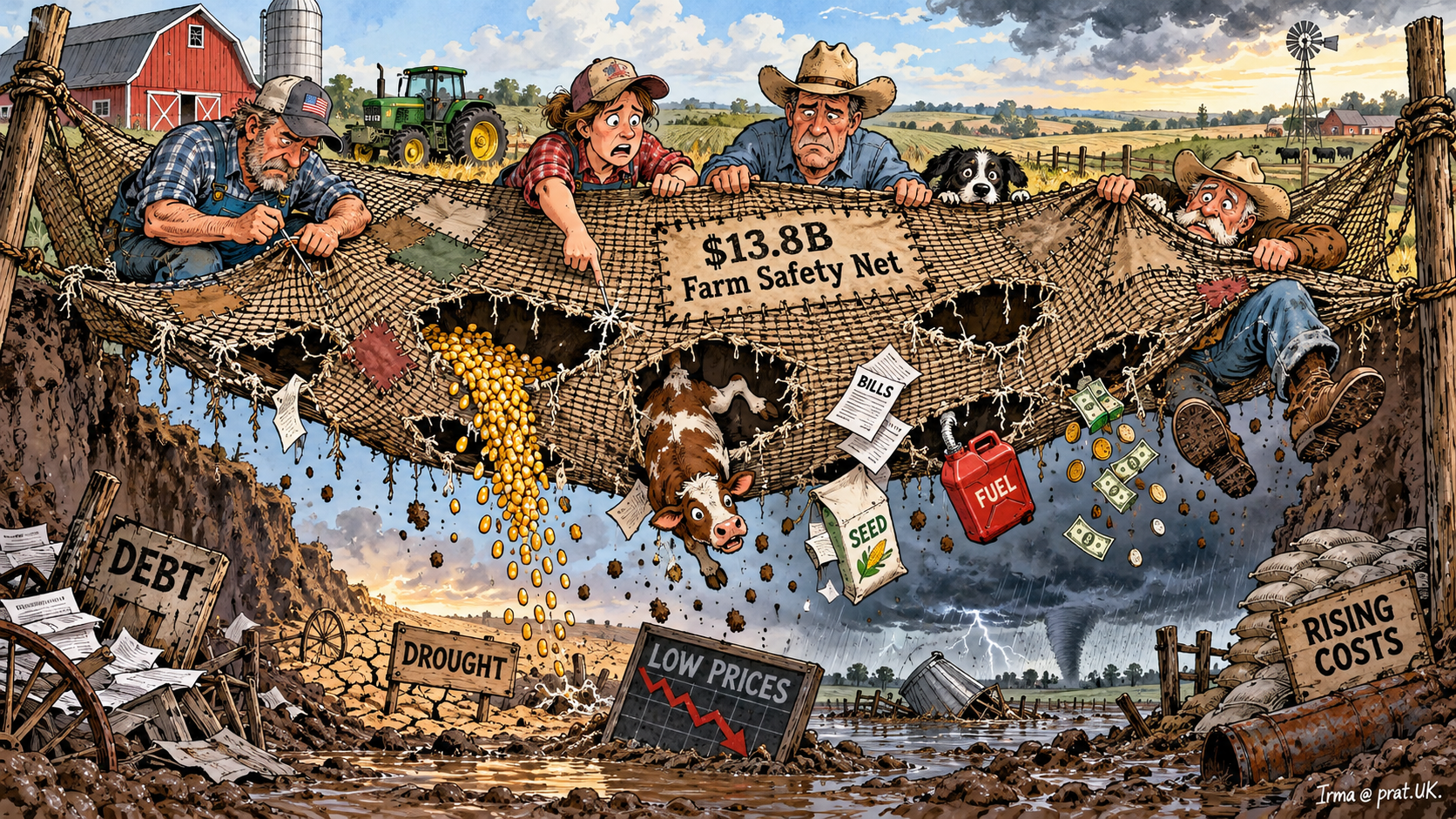
What counts as the rural safety net?
It is a mix of farm programs, crop insurance, disaster aid, rural health access and credit. Farm programs such as price and revenue support run through ARC and PLC, while insurance products are covered by the USDA Risk Management Agency.
Different programs help different people, and not every Texas producer uses every one. Part of the policy argument is about whether the current pieces fit together well or leave gaps.
A helpful way to think about it is in layers. The first layer is what a producer can do alone, such as controlling costs and keeping savings. The second is shared-risk tools such as insurance. The third is emergency help after a disaster. Supporters of a stronger net usually want the second layer to carry more of the weight, so the third is needed less often.
How do supporters frame a stronger net?
Supporters argue that farmers are exposed to weather, markets and trade decisions that no single operator controls, and that a dependable backstop keeps whole communities solvent. A lost farm means a lost customer for the implement dealer, the gin and the school district.
They tend to prefer programs that are insurance-like and risk-based rather than ad hoc payments, because they say predictable rules help lenders and families plan. Details change with each farm bill, so check current terms at the source.
They also argue that tax and regulatory policy belong in the conversation. A farm that is not buried in paperwork and taxes can build its own reserves, which is the cheapest safety net of all. Critics reply that reserves are hard to build in a year when prices are below costs, and that is exactly when help is needed.
Why do supporters stress crop insurance and risk tools?
Crop insurance is a shared-cost tool, where the producer pays a premium and the government helps with it. Supporters argue that this keeps farmers invested in good management while still protecting against disaster. A Texas Panhandle wheat or cotton grower facing a dry year knows how quickly one season can undo three good ones.
If you want the basics of how coverage choices affect your finances, this farm money guide is a decent place to start before you meet an agent.
Consider a hypothetical example, clearly just an illustration. A wheat grower in the Panhandle has two dry years in a row. Insurance pays something, but the bank still wants a plan. Whether the net feels strong depends on how fast payments arrive, how clear the rules are, and whether the lender trusts them to be there.
What do critics say?
Critics make real points. Some argue that farm safety nets send most dollars to the largest operations, since payments follow production. Others say the programs encourage land prices and rents to rise, which hurts beginning farmers. Some economists favor broader rural development spending over farm-specific payments.
There is also a genuine dispute about cost. Estimates from the Congressional Budget Office and watchdog reports from GAO are public, and supporters and critics read them differently. Both views are worth hearing.
What about rural health and community services?
A safety net is more than farm checks. Rural hospitals, broadband and mental health services matter too, and the Rural Health Information Hub collects resources by state. USDA Rural Development runs community programs worth browsing.
Supporters often say local and private institutions should lead where they can, while critics say small towns lack the tax base to do that alone. Neither side disputes that distance and thin populations make services expensive.
Rural health is a particular worry in the Panhandle and beyond, where the nearest hospital can be a long drive. If you or someone you know is struggling with the stress of a bad year, call or text 988 any time, or read more at the 988 Suicide and Crisis Lifeline.
How can a farm family use the safety net well?
Make a list of the programs you already use and the ones you have never looked at. Schedule a visit with your county FSA office each year, and keep records tidy so enrollment is quick. The broader rural picture is explored at this rural farm living guide.
For a different angle on rural economics, farm.FM runs farm economics and agribusiness stories and farm news and satire. A related read is a farm.FM story on rural safety nets.
- List current programs and their deadlines
- Keep yield and sales records organized
- Ask a lender how aid would affect your loan
Sources and further reading
- ARC and PLC: FSA commodity safety-net programs
- USDA Risk Management Agency: crop insurance
- Congressional Budget Office: cost estimates for federal programs
- GAO: government watchdog reports
- Rural Health Information Hub: rural health resources
- USDA Rural Development: rural business and community programs
Ask locally: Your county FSA office and a crop insurance agent can explain which programs apply to your operation.