Why Rural Voters Are Souring on the GOP (and What the Party Is Doing About It)
The headline claims rural voters are souring on the GOP. That is a claim to test, not a fact to repeat. Here is how to look at the evidence and the arguments.
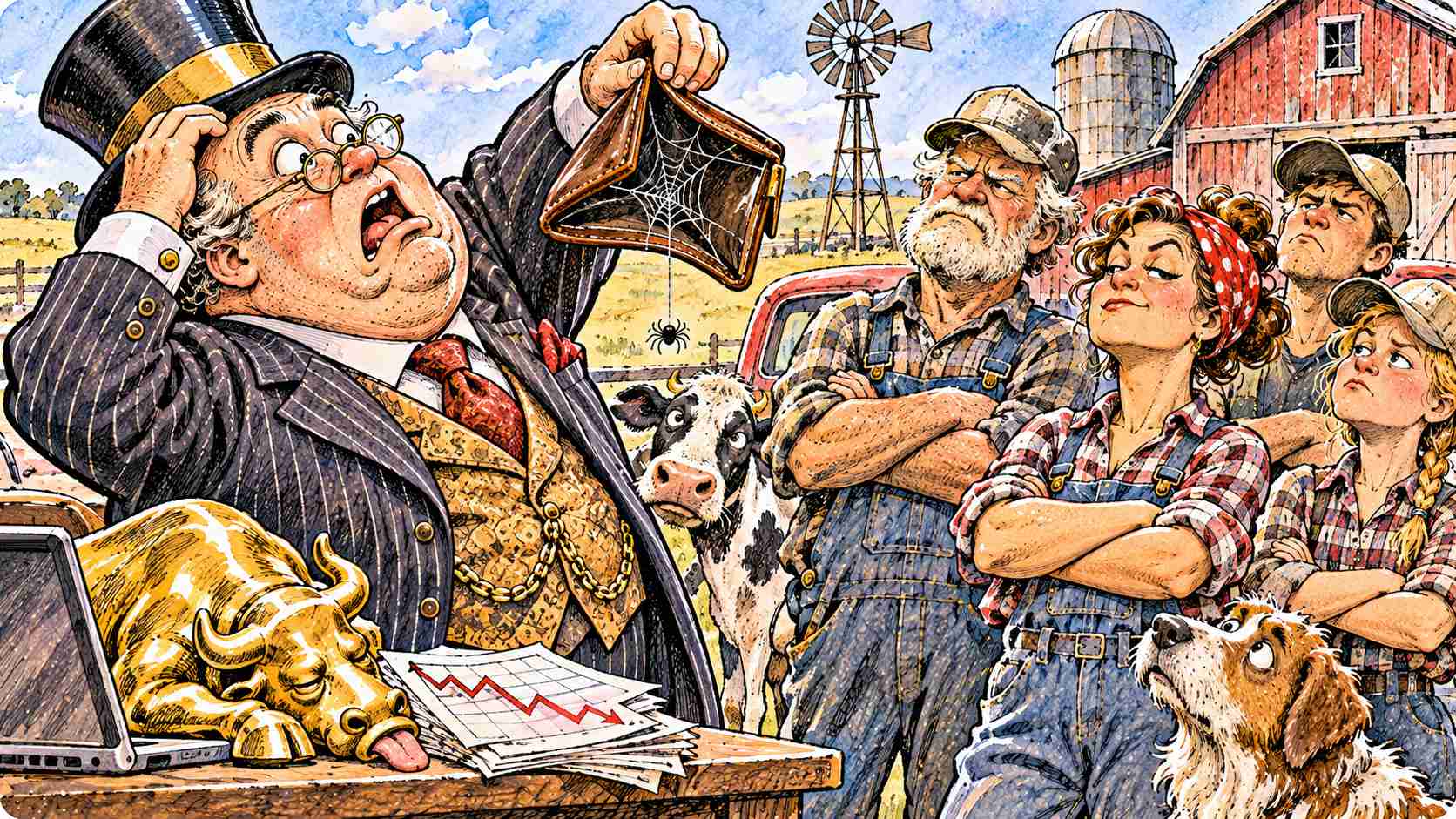
Is the premise even true?
The claim in the title is the site’s headline, and it should be checked rather than assumed. Evidence about voters comes from election results, polls and surveys, and each has limits. Surveys of farmers on economic conditions, such as the Purdue/CME Ag Economy Barometer, measure sentiment about finances and the outlook, which is not the same as voting intentions.
Be careful with any sweeping statement about rural voters. Rural America is not one bloc: the Texas Panhandle, the Corn Belt, Appalachia and the rural West differ in crops, politics and income.
A useful comparison is farm income versus farm mood. A year with decent prices can still feel bad if costs are rising, and a year with low prices can feel fine if a farm has little debt. Mood measures capture that gap.
What frustrations do people point to?
Commonly cited issues include input costs, interest rates, trade disruptions, high land prices, labor and immigration rules, consolidation among packers and equipment makers, rural hospital closures and access to broadband. Supporters of the party say these are real and are being addressed. Critics say policy has not matched promises.
None of those issues belongs to a single party. The USDA Economic Research Service and Kansas City Fed publish data on farm income and credit conditions that help separate felt frustration from measured numbers.
- Costs and interest rates
- Trade and markets
- Labor and immigration rules
- Consolidation
- Rural health and broadband
What do supporters of the party say it is doing?
Supporters point to efforts on tax policy, farm bill drafting, trade deals and rules affecting regulation. They argue that these efforts take time and that rural support rests on core values and long-run results. Some say frustration is a normal part of any year with low prices.
For policy details, see the committee pages at House Agriculture and Senate Agriculture.
They also argue that rural communities have long-standing cultural and economic ties to the party’s priorities, such as property rights, gun rights, energy and low taxes, and that those ties do not evaporate over one hard year. Whether that holds is something only elections can show, and this article makes no prediction.
What do critics respond?
Critics respond that tariffs hurt exports, that aid has been uneven, that rural services have eroded and that promises have outrun delivery. Others, including some conservatives, say the party should focus on lowering costs and cutting regulation rather than on new subsidies.
Facts that are disputed include how much any policy changed farm incomes, and how to compare this year with past ones. Look at the year, the crop and the region before drawing conclusions.
Critics inside the party’s own coalition also argue for more attention to small and mid-sized operations, which sometimes feel overlooked in debates dominated by large commodity growers. Others stress input costs such as fertilizer and fuel, which they say matter more than any single farm bill provision.
How should you read any poll or survey?
Ask who was surveyed, how many, when, and how the questions were worded. A small sample of farmers does not speak for all rural residents. Check whether a claim is about opinion, behavior or economic conditions. And be wary of any account that hands you a single dramatic number without context.
This rural community guide offers background on small-town issues, and this farm finance guide covers the money side of the stress many operators describe.
When a claim cites a number, trace it to the original release. A secondhand number in a social media post is the easiest place for errors to sneak in.
What can a farm family do about it?
Contact your elected officials with specifics, attend county meetings, and join a producer organization. The Texas Farm Bureau and commodity groups give members a voice in policy. This article takes no side in any election and offers no voting advice; for registration and election information, use official state sources.
For commentary, farm.FM looks at rural politics with humor in a farm.FM story on rural politics, and the news section and satire section offer a lighter view.
Remember too that your neighbors are not an opinion poll. Conversations at the elevator and the sale barn are valuable, but they reflect who you talk to. Keep the humility to say you do not know how the whole region feels.
Sources and further reading
- Ag Economy Barometer: Purdue/CME farmer sentiment survey
- USDA Economic Research Service: farm economy data and analysis
- Kansas City Fed Agriculture: farm credit and land value surveys
- House Agriculture Committee: farm bill and ag policy in the House
- Senate Agriculture Committee: farm bill and ag policy in the Senate
- Texas Farm Bureau: state farm organization
Ask locally: Ask your county Farm Bureau office or your Texas AgriLife Extension agent.