$13.8 Billion in ARC and PLC Payments: Who Gets What in 2026
A big headline total for ARC and PLC says little about what lands in your account. Payments depend on crop, base acres, yields and the option you elected.
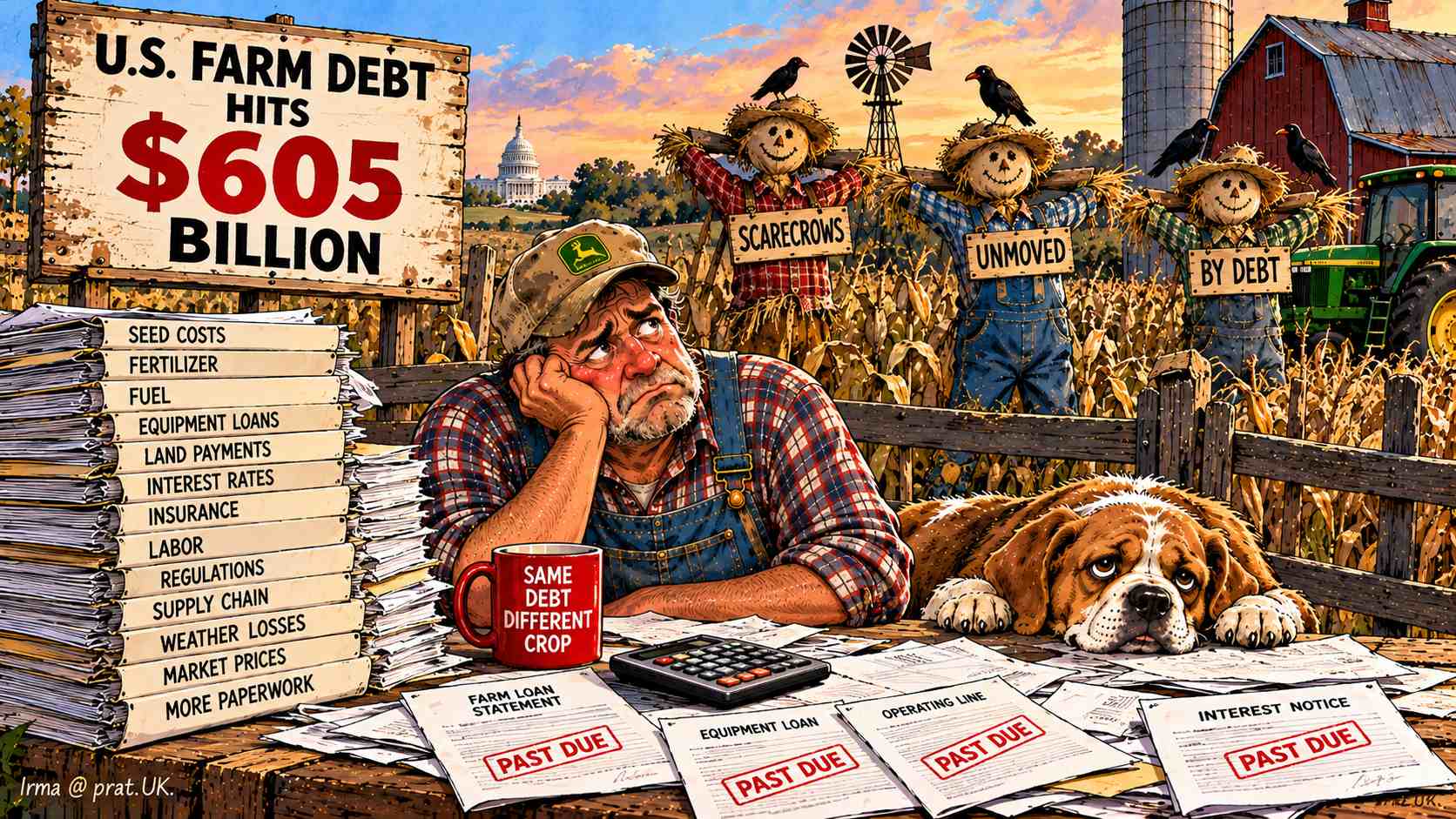
What does a headline total for ARC and PLC actually tell you?
The $13.8 billion figure in the title is the site’s headline claim, reported as a national total. Treat it as a reported number and check it against official USDA releases before you quote it. A national total is a sum of millions of small decisions, and the average farm will not see anything close to a round share of it.
What matters at the kitchen table is your own farm’s math. The FSA ARC and PLC program pages explain the rules, and the local FSA office can pull your farm’s base acres and enrollment record.
How do ARC and PLC differ in plain terms?
Price Loss Coverage, or PLC, pays when the effective price for a covered commodity falls below a reference price set in law. Agriculture Risk Coverage, or ARC, pays when actual crop revenue for the county or farm falls below a benchmark. One is built around price, the other around revenue.
Which one fits depends on your crop and your expectation for the year. Wheat in the Texas Panhandle, sorghum, corn and cotton all have different price histories and yield swings, so the same choice does not work for every acre. farmdoc daily publishes decision tools and analysis that many producers read before enrolling.
- PLC: price-based, tied to a reference price
- ARC: revenue-based, tied to a benchmark
- Elections are made by crop, not always by farm
Who gets what: base acres, yields and payment limits
Payments are generally made on base acres, not planted acres. That surprises people. A field you stopped planting years ago can still carry base, and a field you plant heavily may carry none. Payment yields attached to base are also separate from your actual yields.
Ownership shares, tenant arrangements and payment limits all affect the final check. If you rent ground, your landlord and you may split the payment according to a signed share. Get that sorted early, and keep copies of your lease and your Farmers.gov account details handy.
What do supporters of the safety net say?
Supporters argue that ARC and PLC give producers a predictable backstop when markets turn, and that a predictable program is better for rural lenders and land values than emergency patches. They say the programs are targeted at commodity crops where price swings can sink an operation through no fault of its own.
That case runs through a lot of conservative farm commentary, including the policy desk at farm.FM news and satire, which covers how Washington talks about farm aid.
What are the disputes and limits?
Critics respond that payments flow mostly to the largest operations, that reference prices can distort planting choices, and that budget costs rise when prices fall. Some also argue that the programs do too little for specialty crops, livestock and beginning farmers. The USDA Economic Research Service and CBO publish data that both sides draw on.
Facts that are disputed include how much any program affects land rents and whether payment limits are tight enough to matter. If you are quoting numbers on either side, check the source and the year.
Your checklist before you count on a payment
Confirm your enrollment and election with FSA, check base acres and yields on your farm record, and verify payment limits and entity rules. Ask whether any payment is expected at all given current prices; ask your lender whether to count it as income in your cash flow.
For household and operating budgeting, the plain-language planning pages at this farm finance guide are a good place to start, and this crop planning guide helps with the rotation side. Over at farm.FM there is also a farm.FM look at the farm safety net if you want more context, and the farm economics section follows commodity price swings.
- Visit the FSA office with your lease and entity papers
- Check base acres and payment yields
- Confirm elections and deadlines on the official page
A hypothetical example of how the pieces fit
Here is an example, not a forecast. Imagine a Panhandle farm with wheat and sorghum base, a tenant who shares the payment with the landlord, and a lender who wants a cash flow projection. If one crop pays and the other does not, the net might cover a loan installment or a seed bill, but not both. The point is that the farm should plan on its own mix of crops and shares.
Use the example to build your own spreadsheet with your real base acres, yields and shares, then check each input at FSA.
Sources and further reading
- ARC and PLC: FSA commodity safety-net programs
- USDA Farm Service Agency: FSA farm programs and loans
- Farmers.gov: USDA one-stop site for producers
- farmdoc daily: University of Illinois farm economics
- USDA Economic Research Service: farm economy data and analysis
- Congressional Budget Office: cost estimates for federal programs
Ask locally: Ask your county FSA office and your Texas A&M AgriLife Extension agent.