Why the GOP Thinks the Farm Safety Net Needs a 21st-Century Upgrade
The farm safety net was built around a different kind of agriculture. Here is why Republican supporters say it needs updating, what they propose, and what the objections are.
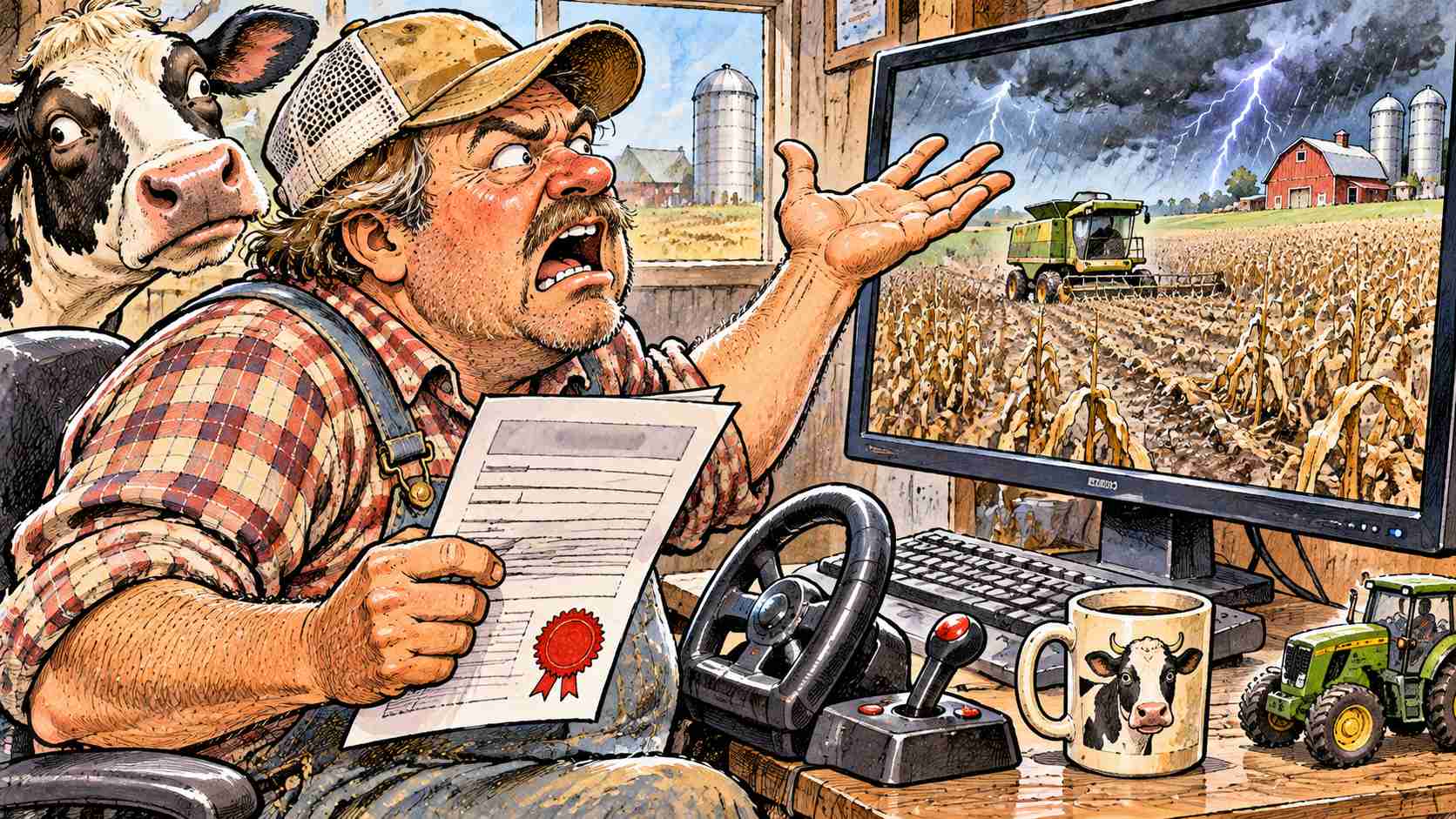
What the farm safety net is
The safety net is the set of programs that cushion farmers from price drops and bad years. It includes crop insurance sold through private agents and backed by the Risk Management Agency, commodity programs such as ARC and PLC through the FSA, disaster assistance, and marketing loans. Dairy has its own program as well.
Congress revisits these programs through the farm bill. Exact payment rates, reference prices and sign-up dates change, so check the program pages before making decisions. This article explains the policy argument, not the current numbers.
Why supporters say it needs an upgrade
The Republican argument is that the safety net was set for older cost levels and older risks. Input costs, interest rates and weather volatility have changed, they say, and some programs do not respond fast enough. Supporters want reference prices and coverage tools that reflect modern costs and let farmers pick protection that fits.
They also stress that the farm safety net should be predictable. A farmer in the Texas High Plains who is planning an irrigation upgrade or a cattle expansion needs to know what support will be there, not wait on emergency bills.
The politics around this are not strictly partisan. Farm-state members of both parties often protect commodity programs, and the sharpest disagreements are often between regions and crops rather than between parties.
For equipment and capital decisions that depend on safety net support, see this tractor and equipment guide.
- Updated reference prices and coverage choices
- Faster and more predictable disaster help
- Simpler enrollment
- Tools that fit specialty and livestock producers
Crop insurance, PLC and ARC in plain language
Crop insurance pays when yield or revenue falls below a level you choose, at a premium that is subsidized. PLC pays when a crop's national price falls below a reference price. ARC pays when revenue falls below a benchmark. Each works differently, and a farmer may choose between them for each crop.
Rather than memorize rules, learn how to ask the right questions at your local office. Bring your yield history and ask what a given choice would have paid in recent years. The crop planning guide offers background on seasonal decision-making, and Farmers.gov has decision tools.
The objections to expanding support
Critics, from fiscal conservatives to environmental and consumer groups, say bigger subsidies cost taxpayers and tend to favor larger operations that own more acres. Some economists argue that high guaranteed prices can encourage over-planting and raise land rents, capturing the benefit for landowners rather than farmers.
The CBO publishes cost estimates for farm bill proposals, and groups across the spectrum cite them selectively. It is wise to read the scoring directly. Supporters respond that farming is uniquely exposed to weather and trade shocks and that a strong safety net is cheaper than rescuing a collapsing sector.
One thing to watch is whether a proposal changes how payment limits and income tests work, since those rules decide how much any single operation can receive.
Who benefits and who gets left out
Different producers care about different features. A wheat farmer in the Panhandle, a dairy owner, a peanut grower and a cattle rancher face different risks. Livestock producers often feel that the programs fit row crops better than cattle, and specialty growers want crop coverage that works for them.
Beginning farmers frequently find the paperwork daunting. Ask your AgriLife Extension agent to help compare programs and talk to a crop insurance agent for coverage details.
How to follow the farm bill debate
Watch the House Agriculture Committee and the Senate Agriculture Committee for hearings and drafts, and read the summaries from several farm groups to catch the disagreements. Keep a calendar of FSA sign-up deadlines from the official site, not from social media.
Over at farm.FM they cover farm policy and the humor that comes with it in the news and satire section and a farm.FM story about the farm bill. If your income depends on these programs, talk to your lender and tax professional about how to use them.
Remember that a program on paper only helps if you enroll on time. Missing a signup window is one of the most common, and avoidable, mistakes.
A lighter take on the weather risks farmers face is in the farm jokes page.
Sources and further reading
- USDA Risk Management Agency: crop insurance
- ARC and PLC: FSA commodity safety-net programs
- Farmers.gov: USDA one-stop site for producers
- Congressional Budget Office: cost estimates for federal programs
- House Agriculture Committee: farm bill and ag policy in the House
- Senate Agriculture Committee: farm bill and ag policy in the Senate
Ask locally: Ask your FSA county office and a crop insurance agent to compare ARC, PLC and insurance options using your own yield history.