Tax Policy and Estate Planning
The Republican Approach to Disaster Assistance for Livestock Producers
Drought, wildfire and blizzards can wipe out a herd's feed or the herd itself. Supporters of the Republican approach want disaster help that is fast, predictable and rule-based.
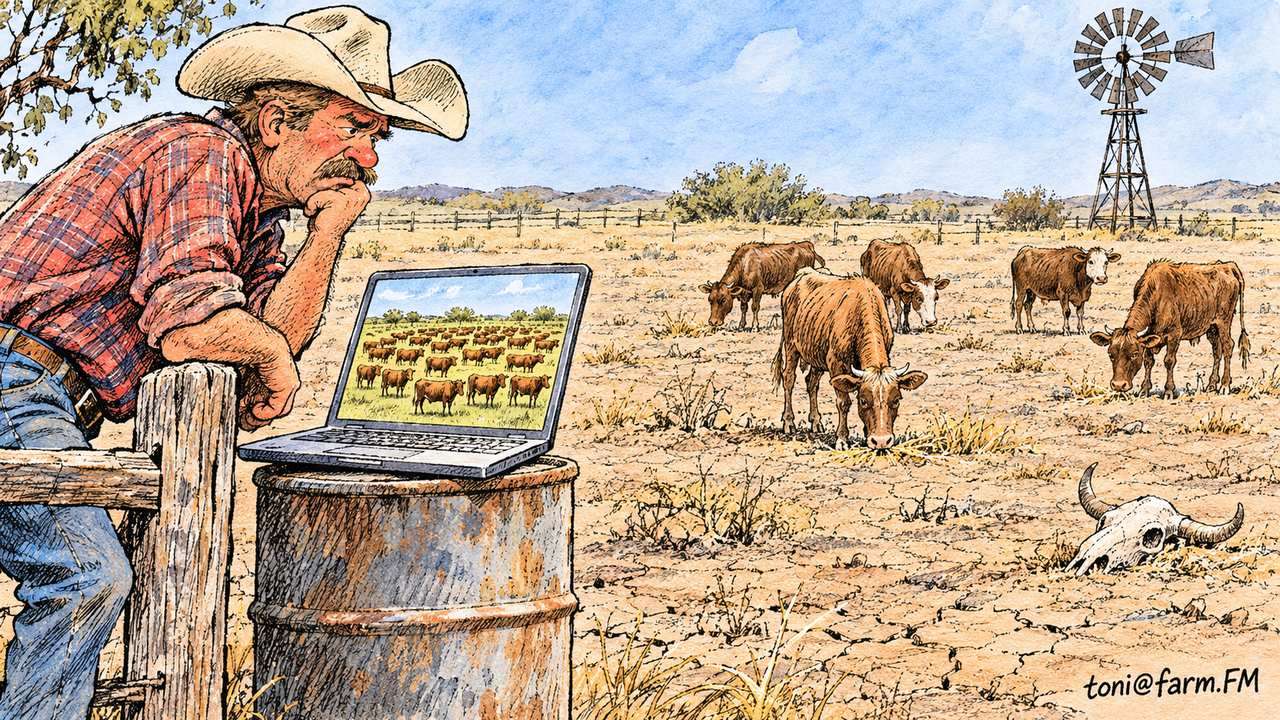
What counts as a livestock disaster?
Livestock producers face drought that burns up grazing, wildfire on the High Plains, winter storms, floods, and disease outbreaks. A rancher in the Texas Panhandle knows that a dry year can mean buying hay at high prices or selling cows early.
Federal livestock disaster programs are run through the Farm Service Agency, and details change. Always check current eligibility, deadlines and payment rules at the source.
Beyond the herd, disaster can cost fences, water systems, hay and winter feed, and any of those can force a sale. Many ranchers say the second-year effect of a disaster is worse than the first.
What do supporters of the Republican approach want?
They tend to prefer permanent, rules-based disaster programs over ad hoc payments that Congress passes after the fact. A standing program, supporters say, lets producers plan, lets lenders trust the safety net and avoids long delays. They also stress getting payments out quickly and with a minimum of paperwork.
They often favor a mix of risk tools: insurance where it exists, standing disaster programs for livestock losses, and flexibility such as emergency haying and grazing. Drought status is tracked by the U.S. Drought Monitor and at Drought.gov, which many programs reference.
Supporters also want better coordination between agencies, so a producer is not sent from office to office. They say a single point of contact after a disaster would help, since people are already stressed.
- Standing, rules-based programs
- Fast payments with simple paperwork
- Flexibility for emergency grazing
Why do records matter so much?
Most programs require proof. That means herd inventories, purchase and sales records, feed purchase receipts, photos, dates and locations of losses, and sometimes grazing leases. A rancher who keeps tidy records can often get through the process faster.
A hypothetical illustration: after a wildfire, a rancher with dated photos of fences, cattle counts and receipts has a much easier conversation with the local FSA office than one who is relying on memory. Keep records in more than one place, such as a cloud copy.
Keep your records accessible, since power and phones may be down and papers can burn. A cloud folder and a copy at a relative's house cost almost nothing.
What do critics say?
Critics argue that permanent disaster programs can encourage risky behavior, such as overstocking in dry areas, and can be costly to taxpayers. Others say that existing programs still leave gaps, especially for smaller operations and for losses that do not meet technical thresholds. Some worry that payment limits and rules favor larger producers.
Whether current programs reach those who need them is disputed. Read evaluations by GAO, and look at Congress.gov for bills that change the rules.
A related argument is about cost. Disaster payments can be large in bad years, and budget scorekeepers treat standing programs differently than one-time payments. Supporters and critics both cite those estimates, so read them at the source, such as the Congressional Budget Office.
How can you prepare before disaster hits?
Have a plan: where cattle will go in a fire or flood, who can haul them, where you will find feed, and how you will get hold of the vet. Keep ID, brand records and herd numbers current. Check the forecast at the National Weather Service and review general preparedness at Ready.gov. Operators who also farm crops may find this crop calendar guide useful for planning around dry spells.
Herd care and feed planning basics are in this beef cattle guide. Talk with your lender before disaster, not after, about how a loss would be handled.
Insurance for pasture, rangeland and forage exists in some areas, and the Risk Management Agency explains it. Ask an agent how it fits with other programs, and what the deadlines are.
- Write an emergency herd plan
- Keep records current and backed up
- Know your hauling and feed options
- Talk to your lender early
Where can you get help after a loss?
Contact your FSA office promptly, since deadlines can be short, and ask what documents they need. The Texas Animal Health Commission and local extension agents can also help with animal health questions. Emotional strain after a disaster is real. Call or text 988 if it feels heavy.
For a lighter read afterward, farm.FM carries ranching stories and farm satire. Over at farm.FM, they know a rancher's sense of humor survives almost anything. See also a farm.FM piece on ranchers and drought.
Neighbors are the first responders in rural places. Making a plan for how the community shares equipment, trailers and hay in an emergency is something any county can do.
Sources and further reading
- USDA Farm Service Agency: FSA farm programs and loans
- U.S. Drought Monitor: weekly drought maps
- Drought.gov: national drought information
- GAO: government watchdog reports
- National Weather Service: forecasts and warnings
- Ready.gov: FEMA disaster preparedness
Ask locally: Your county FSA office and local extension agent can tell you which disaster programs apply and what records they will need.