Tax Policy and Estate Planning
The Republican Approach to Disaster Relief: Speed vs. Oversight
After a wildfire, hailstorm or long drought, farmers want help now. Taxpayers want to know it is well spent. This piece explains the Republican approach to that tension.
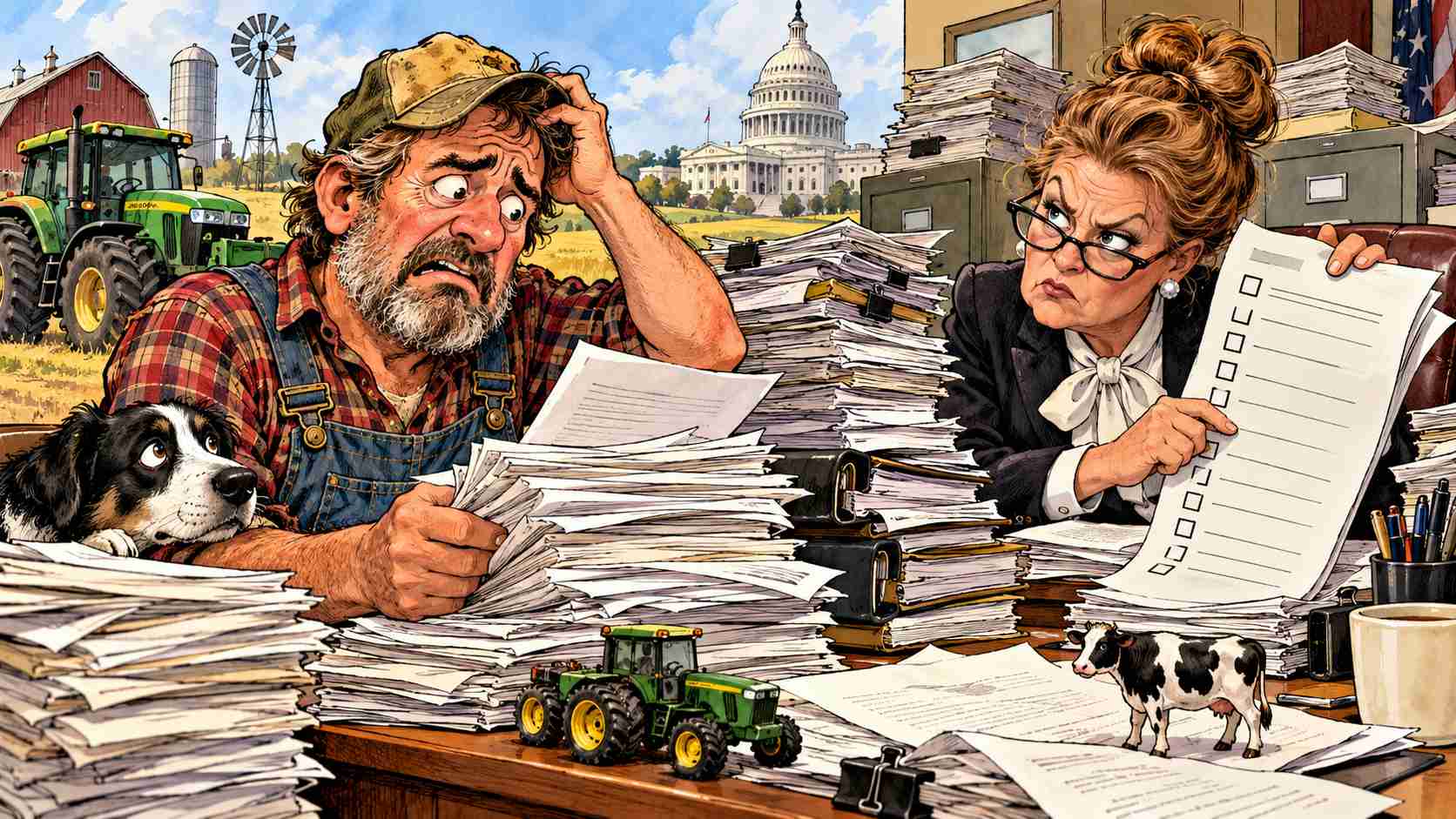
Why disaster aid is always a trade-off
When fire sweeps across the Panhandle rangeland or hail shreds a wheat crop, the need is immediate. Fences, feed, hay and cash for operating costs cannot wait for months of review. At the same time, any federal payment needs rules so that money reaches the right people and is not wasted.
That tension is the heart of the Republican approach as supporters describe it: act quickly, but with accountability. The details of any specific program, payment rate and deadline belong to the agencies, so verify at FSA and Farmers.gov.
What supporters say they want
Supporters tend to argue for a standing, predictable disaster framework in the farm bill rather than a series of one-off emergency packages. They say ad hoc bills create uncertainty and delay, since producers wait for Congress to act each time. A pre-set structure, they argue, would let help flow faster.
At the same time, many prefer that spending be offset or controlled, and that payments be targeted rather than spread across every operation. They emphasize crop insurance as the first line of defense and see ad hoc aid as a backstop.
A recurring complaint in Texas is that relief arrives well after the fire or flood, once the cash crunch has already forced hard decisions. Supporters of reform often start from that complaint.
Another idea that comes up is trigger-based payments, where aid begins when a measurable condition such as a drought category is met. Supporters like the speed. Critics note that conditions on paper do not always match what a particular ranch experienced.
Livestock owners can also read about herd preparedness in this cattle ranching guide.
- Standing programs rather than emergency packages
- Faster, simpler applications
- Targeting aid to real losses
- Fiscal limits and offsets
What oversight means in practice
Oversight can mean income tests, payment limits, documentation requirements and audits. Those rules are why you are asked to show records after a disaster. They protect the program but can slow things down. The GAO regularly reviews disaster payment programs, finding both improper payments and long delays.
A good habit is keeping photos, receipts and herd or acreage records organized before any event. This farm safety guide includes preparedness ideas, and Ready.gov has planning checklists.
Documentation sounds dull, but it is where many claims stall. A short list of what to gather, taken in a calm week, saves weeks later.
Critics and the other side of the argument
Critics argue that insisting on offsets or strict targeting can leave families waiting while they lose their operations. Some say a standing fund is itself hard to design, since disasters vary so widely. Others warn that generous disaster aid can discourage insurance and prudent risk management, which supporters of limits also say, but they disagree on where to draw the line.
Democrats and some Republicans from heavily affected states often push for broader and faster aid. The debate cuts across party lines. Read the actual proposals, and use CBO estimates to compare costs.
There is also real disagreement about who should carry the cost. Some argue that states, insurers and private markets should do more, while others say only the federal government can absorb a regional catastrophe.
What Panhandle producers can do before disaster
Review your insurance and know which losses are covered. Ask your crop insurance agent about timelines for claims, and ask your FSA office which programs cover livestock feed and forage losses. Keep your records, brand inspection details and farm numbers updated. Drought conditions can be tracked on the U.S. Drought Monitor.
Disaster also strains mental health and family finances. If you or someone you know is overwhelmed, call or text 988 through the 988 Suicide and Crisis Lifeline.
Keeping the debate honest
Be wary of claims that any program pays everything or pays nothing. Each has rules, caps and timelines. Ask what share of eligible losses were actually paid and how long it took, then look for independent reviews.
At farm.FM, the weather humor in the farming stories section is a reminder that farmers keep their sense of humor through hard years, and a farm.FM story on drought and wildfire looks at real impacts. For your own claims, work with your insurance agent and FSA office.
Neighbors help each other through disasters in ways no program can match, and local groups often fill gaps that federal programs leave open.
When you need a laugh after a long season, the farm satire section helps.
Sources and further reading
- USDA Farm Service Agency: FSA farm programs and loans
- Farmers.gov: USDA one-stop site for producers
- GAO: government watchdog reports
- Congressional Budget Office: cost estimates for federal programs
- Ready.gov: FEMA disaster preparedness
- 988 Suicide & Crisis Lifeline: call or text 988
Ask locally: Ask your FSA county office and crop insurance agent which disaster programs cover your losses and what records they need.