The Republican Case for a More Market-Oriented Farm Policy
Supporters of a more market-oriented farm policy say prices should guide planting, not program payments. Critics say markets alone leave farmers exposed. Both sides have a point worth understanding.
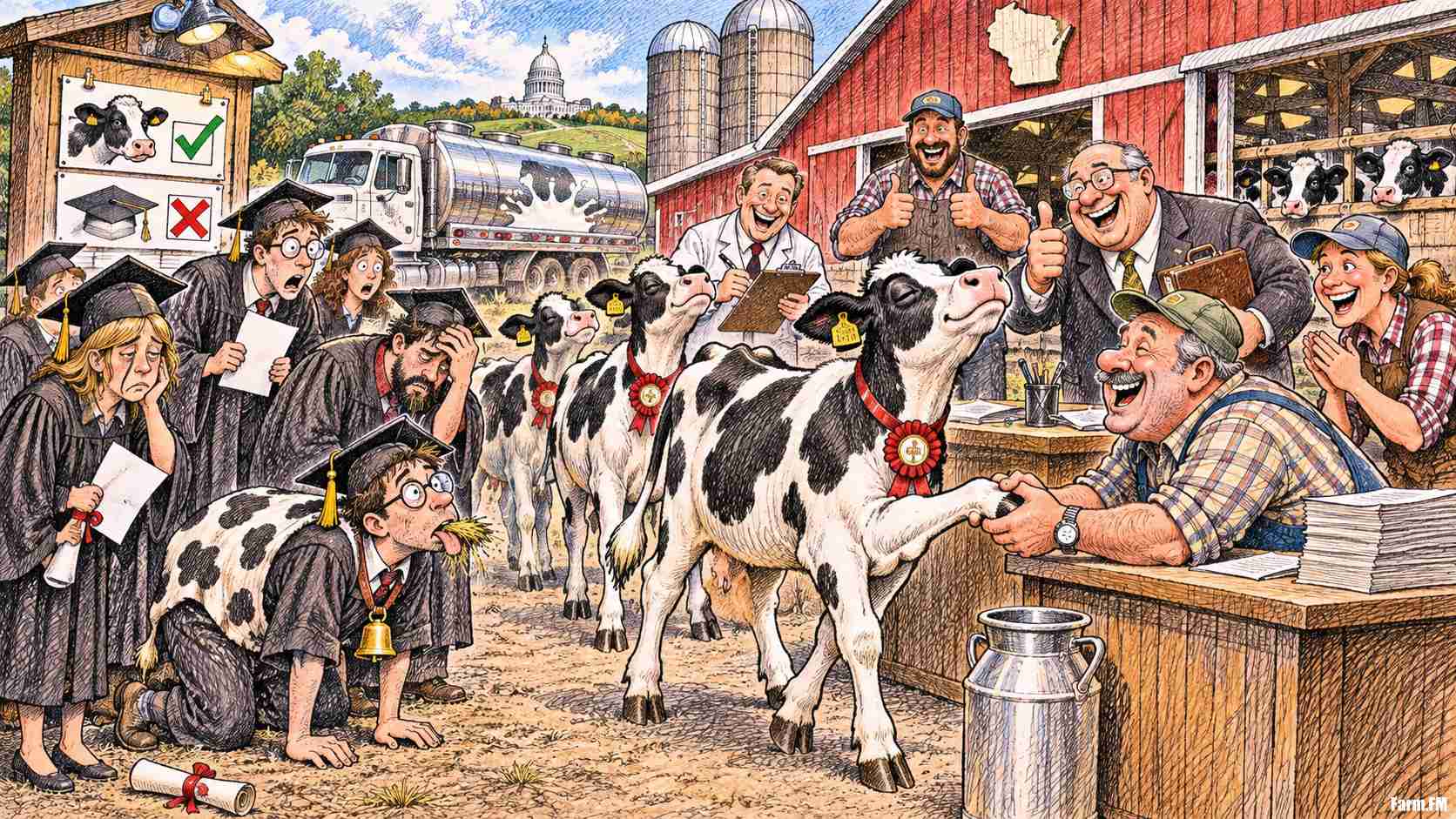
What does market-oriented farm policy mean?
In plain terms, it means leaning on prices, private risk tools and trade to steer what gets planted, and relying less on payments that are triggered by government formulas. Supporters argue this rewards good management and keeps farmers from planting to chase a program.
It does not usually mean no safety net at all. Most supporters still accept crop insurance and some disaster help, but they want fewer programs that tie payments to specific crops or base acres. For the current list of federal programs, start at Farmers.gov.
Think of a farmer deciding between two crops in March. In a market-driven setup, the expected margin decides. In a program-heavy setup, the payment formula joins the math. Neither is automatically wrong, but they push behavior in different directions, and that is the real core of the debate.
Why do supporters say it works better?
The argument has three parts. Payments linked to commodities can distort decisions, so a farmer in the Texas Panhandle might favor a crop for the support rather than the margin. Second, programs cost taxpayers money that could go elsewhere. Third, distant markets reward producers who respond to demand.
Supporters often point to the USDA Economic Research Service for data on how farm income and government payments have moved over time. Reading that data yourself is better than trusting any slogan, including this one.
- Prices guide planting choices
- Less distortion from payments tied to specific crops
- More room for private tools like forward contracts
How does crop insurance fit in?
Many market-minded Republicans see subsidized crop insurance as the preferred tool because it protects against loss without telling a farmer what to plant. The USDA Risk Management Agency explains how coverage works and who sells it.
Even so, insurance is not free money. Premiums, deductibles and yield history all matter. If you farm dryland wheat or cotton in the High Plains, sit down with your agent and your lender and run through a bad year on paper before you choose a coverage level. The planting-season rhythms in this crop calendar guide help with timing.
What do critics say?
Critics respond that markets are not level fields. Farmers sell into concentrated buyer markets, weather can wipe out a year, and trading partners can close doors overnight. They argue that price and income support exists because the market alone has left rural areas with swings no family can absorb.
They also note that payments help keep land in production through bad stretches and that cutting them quickly could hurt tenants and beginning farmers most. Where reasonable people differ is on how fast to change and which programs to keep. The National Farmers Union regularly makes this case.
A practical way to read this argument: ask whether the person making it farms in a place where you can switch crops easily. A grower with irrigation and several choices faces a different risk than a dryland producer with one or two realistic options, and policy that suits one can pinch the other.
What would change on a Texas farm?
A move toward market orientation would show up in a few places: how the safety net payments are calculated, how much weight crop insurance carries, and what the farm bill spends on conservation and trade promotion. The ARC and PLC page shows how the current commodity programs work.
If your income depends on those payments, build two budgets: one with the programs as they stand and one with weaker support. Ask your banker how each version would look on a cash-flow statement. This farm money guide covers the basics of budgeting for uncertainty.
How should you judge the claims?
Be wary of anyone who says this is simple. Over at farm.FM the agribusiness writers often dig into who really gains from a given policy, and a farm.FM piece on farm policy is a good second view.
Watch for the details that decide fights: payment limits, base acres, insurance subsidies and timing. Then check the House Agriculture Committee for markup text. The argument is rarely about the philosophy and almost always about the details. For the daily numbers, farm news coverage is worth a skim.
Sources and further reading
- USDA Economic Research Service: farm economy data and analysis
- USDA Risk Management Agency: crop insurance
- ARC and PLC: FSA commodity safety-net programs
- Farmers.gov: USDA one-stop site for producers
- National Farmers Union: national farm organization
- House Agriculture Committee: farm bill and ag policy in the House
Ask locally: Talk with your crop insurance agent and your lender before changing coverage or planting plans.