Regulation and Property Rights
Why the GOP Is Concerned About the Loss of Farmland to Solar Development
Solar leases can pay well, and they can also take good cropland out of production. Republican critics of large projects focus on the land. Solar supporters point to landowner rights. Here are both views.
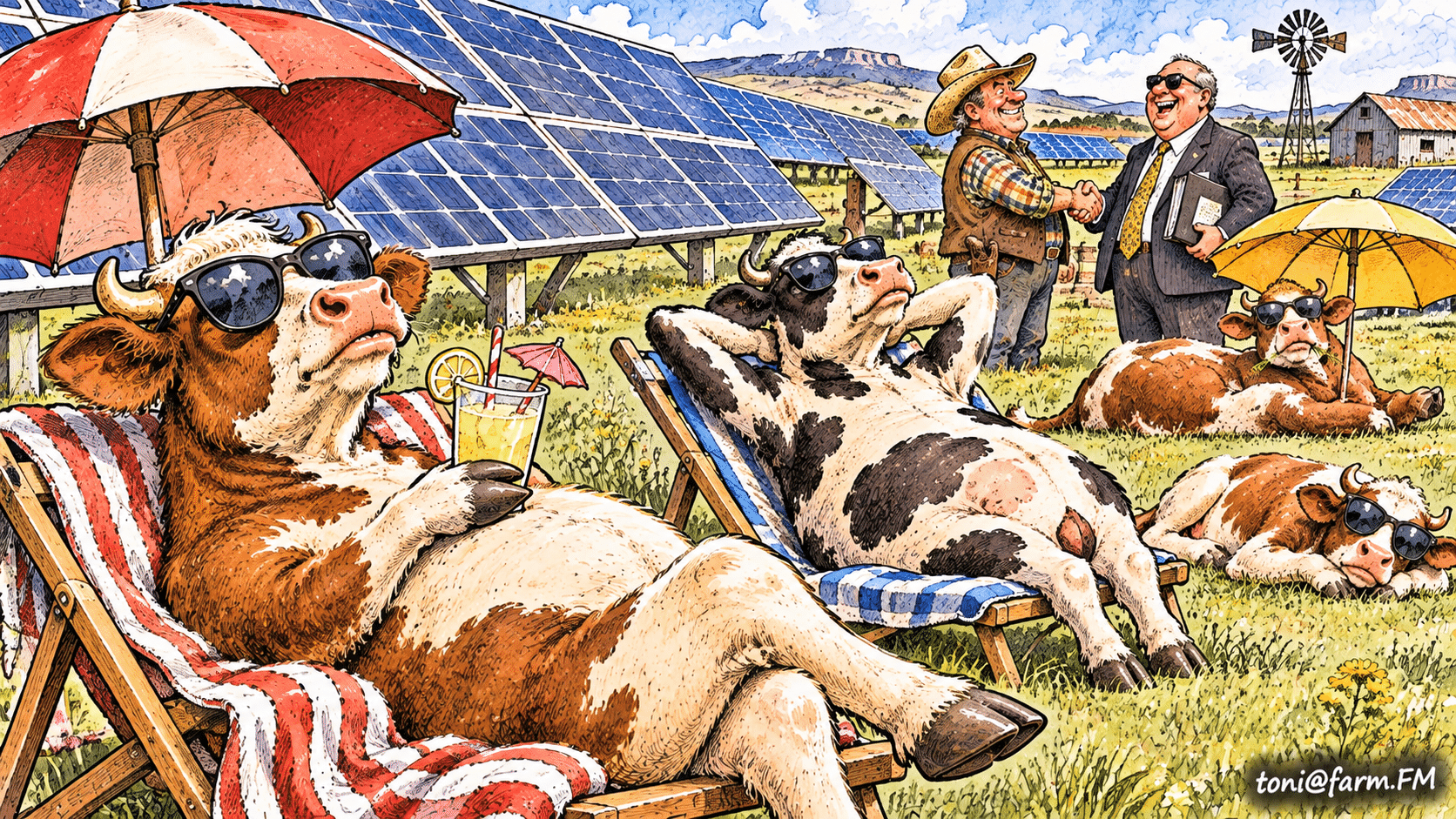
Why is solar on farmland in the news?
Utility-scale solar needs flat, open ground near power lines, and that description fits a lot of farmland. In parts of Texas, from the Panhandle to the plains south of Lubbock, developers have approached landowners with offers to lease acreage for decades.
The headline concern is that this farmland is lost to solar. How much is lost, and for how long, depends on the project, the soil and the lease terms. Be careful with sweeping figures from either side and check county records and the Census of Agriculture for land-use data.
What do the Republican critics argue?
The critics generally say that prime cropland and rangeland should stay in production, that large projects can raise local land prices and rents for working farmers, and that subsidies tilt the market toward solar over food and fiber. Some also worry about who owns the land, especially when out-of-state or foreign owners are involved.
They often push for rules that steer solar toward rooftops, brownfields and poor ground, and for siting decisions made by counties rather than distant agencies. Property rights come up too, which brings the next section.
- Keep productive soils farmed
- Steer projects to marginal or already disturbed land
- Local say over siting
- Clear rules on who owns the land
What do landowners and solar supporters say?
Landowners respond that leasing is a property right. A lease can bring steady income on land that earns little in a drought year, and it can help a family keep the place or pay for a successor. Many Republicans on this side of the issue say government should not stop an owner from choosing the best use.
Solar supporters add that projects bring local tax revenue and construction jobs and that land can return to farming after the lease. The conflict inside the party between property rights and farmland protection is real, and it shows up at county meetings.
A hypothetical example: a family in the Rolling Plains owns a quarter section of marginal dryland that grew a poor crop in most years. A lease might triple its income, and few people would blame them for signing. The argument gets harder when the same offer lands on irrigated ground that grows a reliable crop.
What should you ask before signing a solar lease?
Treat a lease like a mortgage. Ask how long it runs, what the rent is and how it adjusts, who pays property taxes, what happens to your ag valuation, how the land will be restored and who pays for it, and what happens if the company sells the project. Have an attorney read it. The Texas Comptroller has tax information, and the Texas Department of Agriculture posts ag resources.
Also check how the lease affects your loan, your crop insurance and any federal program payments. A call to your FSA county office and your lender before you sign can prevent expensive surprises.
How does this affect neighbors and the local farm economy?
When one big project takes several sections out of crops, the local elevator, equipment dealer and co-op feel it. A smaller acreage base means fewer sales and fewer customers for services that everyone nearby uses. Supporters of the farmland argument say that matters even if each landowner made a good choice.
The cost side matters too. Water, drainage and roads can all be changed by a project. This crop calendar guide and this rural community guide help you think about what a field is worth in production, not only on a lease.
What can you do locally?
Go to the county commissioners' court and the planning meetings. Ask for a clear siting policy, decommissioning bonds and a plan for restoring soil. Read the NRCS soil survey for your land.
At farm.FM the agribusiness section talks about the economics of land, and a farm.FM story on solar and farmland adds a wry view. The farming stories are also worth a visit. Your county AgriLife Extension office can also help you weigh land uses.
Sources and further reading
- Census of Agriculture: USDA census of farms
- Texas Comptroller: state tax and economic data
- Texas Department of Agriculture: state agriculture agency
- USDA Farm Service Agency: FSA farm programs and loans
- USDA NRCS: conservation programs and technical help
- Texas A&M AgriLife Extension: Texas extension service
Ask locally: Have an attorney review any solar lease, and talk with your lender and county Extension agent before you sign.