Regulation and Property Rights
What a Republican-Controlled Congress Means for Farmers in 2027
Who runs Congress decides which farm bills move and which budgets pass. This article explains how that works and what supporters and critics expect, without predicting outcomes. Here is a farmer's guide.
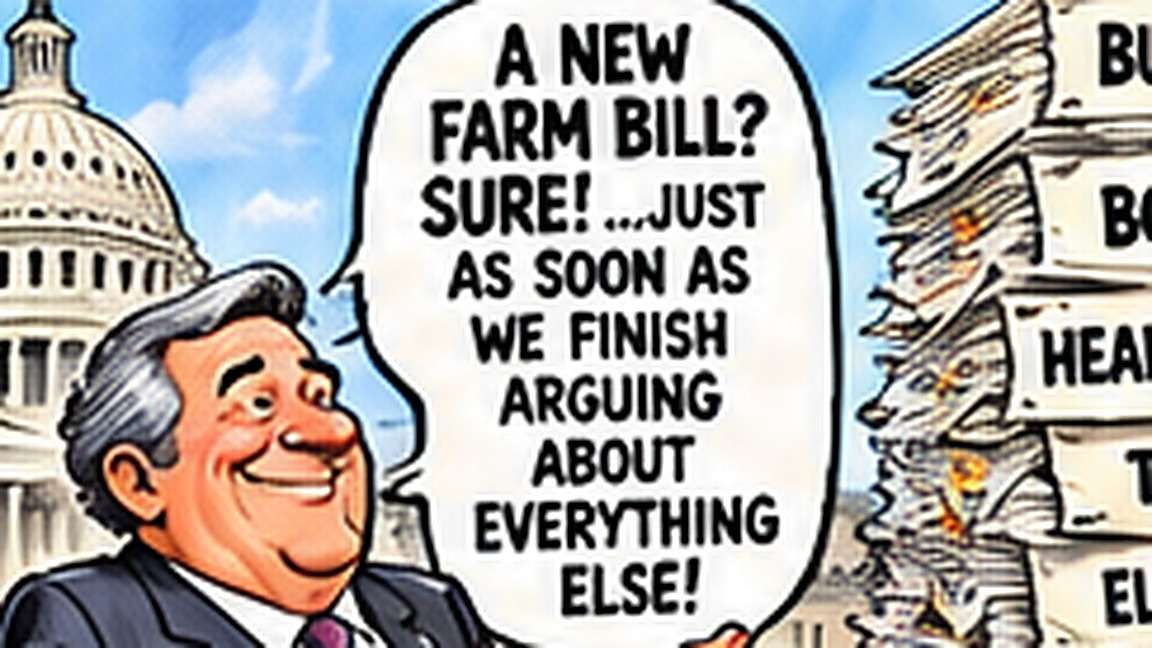
How does congressional control affect farm policy?
The party in the majority picks committee chairs, sets the schedule and decides which bills reach a vote. In agriculture, that means control over the House and Senate agriculture committees, which write the farm bill, and appropriations panels, which fund USDA.
The headline assumes a Republican-controlled Congress in 2027. Control of each chamber is a matter of public record, so confirm the current situation at Congress.gov rather than relying on commentary. This article makes no predictions about elections.
There is also a calendar. A new Congress starts fresh, bills must be reintroduced and committees reorganize. The first months are mostly about organizing and setting priorities, and major farm legislation usually takes much longer.
What do supporters expect to prioritize?
Republican supporters tend to point to a handful of priorities: finishing or updating the farm bill, defending crop insurance, expanding export markets, easing regulations and holding spending in check. The House Agriculture Committee and Senate Agriculture Committee publish their own agendas.
They also expect oversight of agencies, which means hearings, reports and sometimes pressure on rules. What actually passes depends on the margin in each chamber and on agreement with the other party and the White House.
One more practical effect is appropriations. Even a perfect farm bill needs funding bills to pay for day-to-day program work, and budget fights can slow USDA services such as loan processing. Watch the FSA and Farmers.gov pages for any notice of service changes.
- The farm bill and its extensions
- Crop insurance and commodity programs
- Trade and market access
- Regulatory review and agency oversight
Why does the margin matter?
A narrow majority can pass little without near-total unity, and the Senate typically needs cross-party votes for major bills. That is why farm bills often have bipartisan support and why promises made in a campaign may shrink after negotiation.
For a farmer, the lesson is to expect compromise. Budget with current rules, not hoped-for ones. This farm money guide walks through planning when rules might change.
Hypothetical example: a bill passes the House easily but stalls in the Senate where a handful of votes decide. Farmers following the news might think a change is coming when nothing has happened. Learn to separate a vote, a passage and a signed law.
What do critics say?
Critics respond that one-party control can speed through cuts to programs that help small farms, conservation and nutrition, and can neglect oversight of large agribusiness. They also warn that trade disputes and tariff policy can hurt farm exports.
Supporters answer that unified control lets lawmakers act on long-delayed problems and reduce spending. These claims are testable over time. The Congressional Budget Office scores bills and the GAO reviews programs, which gives a neutral check on both sides.
Another point is that many farm programs run through agencies whose day-to-day work continues regardless of who is in charge. County offices keep taking applications and answering calls.
How should a producer prepare?
Do three practical things. Keep your records ready for program signups. Review crop insurance and loans each year. Watch for official announcements at FSA and RMA, not rumors.
Also stay flexible with marketing and costs. This crop calendar helps with deadlines. Texas Farm Bureau and other groups publish legislative updates that are useful for staying informed, even if you disagree with a position.
Use the winter to update your balance sheet and take a hard look at your coverage and loan terms. Good records make any rule change easier to handle.
Where do you follow what happens?
Read bill text, not headlines. At farm.FM the farm news and agribusiness coverage track Congress with some humor, and a farm.FM story on Congress and farmers is worth a read.
Policy changes slowly, and plans made for the worst and best case serve you under either. Keep your own books honest.
A reminder that this site is an independent policy commentary site with a conservative perspective. It offers explanation, not endorsements, and does not tell you how to vote.
Sources and further reading
- Congress.gov: bills and legislative status
- House Agriculture Committee: farm bill and ag policy in the House
- Senate Agriculture Committee: farm bill and ag policy in the Senate
- Congressional Budget Office: cost estimates for federal programs
- GAO: government watchdog reports
- USDA Farm Service Agency: FSA farm programs and loans
Ask locally: Ask your Farm Bureau county leaders, FSA office and lender how current rules affect your plans.