The Republican Stance on Agricultural Insurance Reform
Crop insurance is the main safety net for many Texas growers. Republican supporters want it strong, affordable and simple. Critics ask who benefits most. Here is how to think about reform.
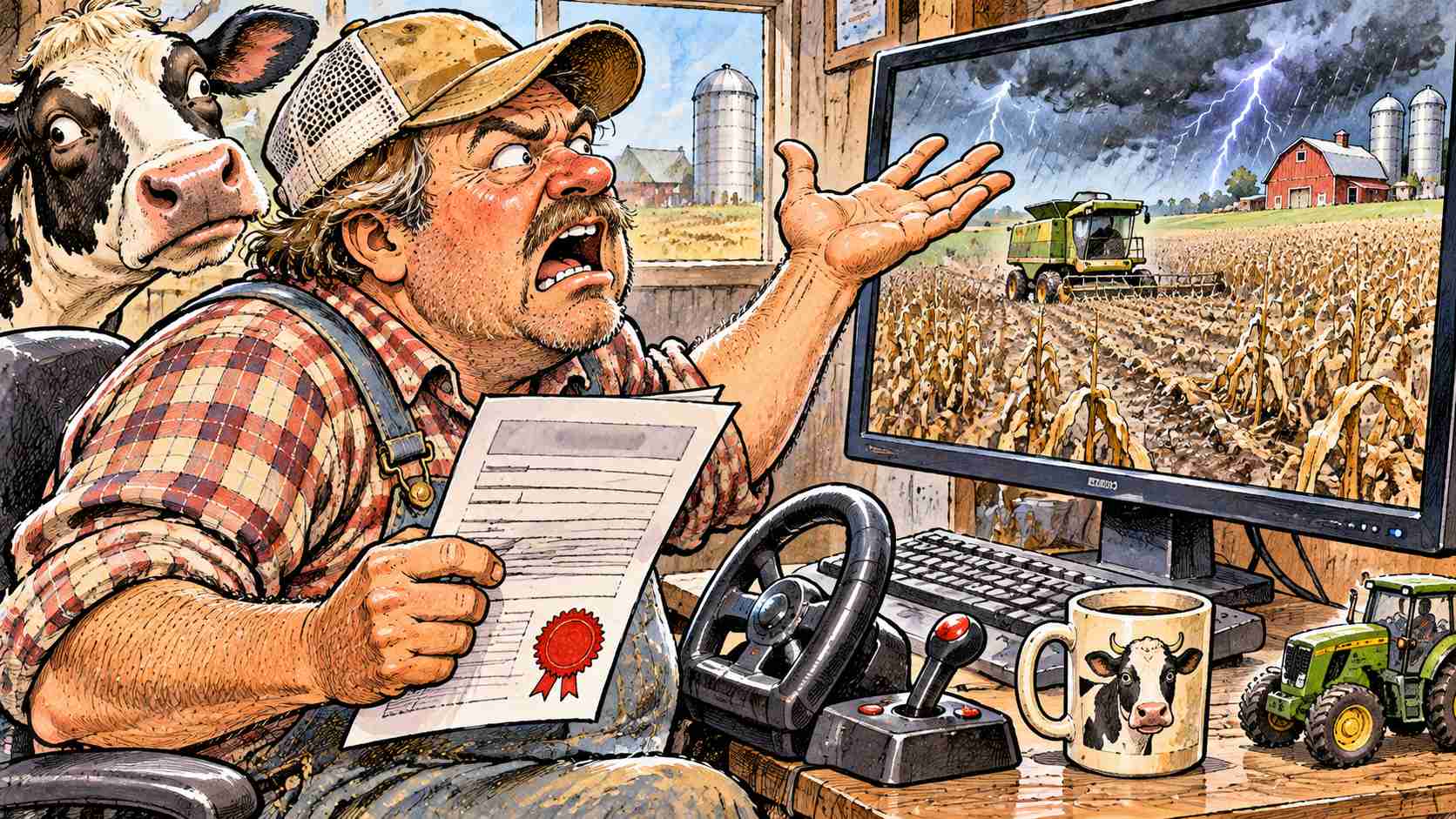
How does crop insurance work, in general?
Federal crop insurance is sold through private agents and backed by the government, which subsidizes premiums. A farmer chooses a type of plan and a level of coverage, and receives a payment if yield or revenue falls below a guarantee. Details vary by crop, county and year.
The USDA Risk Management Agency writes the rules and explains each plan. For current terms and deadlines, check there and with a licensed agent. The headline is about reform, so know the baseline first.
Hypothetical example: a cotton farmer near the Panhandle chooses a middle coverage level because the premium looks affordable. A severe drought cuts yield sharply, and the payment arrives but does not cover all costs. The lesson is that the choice of coverage level is a business decision, not a formality.
What reforms do supporters want?
Republican supporters generally defend crop insurance as the preferred safety net, because it is market-based and tied to actual losses. Their reform ideas often include better coverage for specialty crops and livestock, lower costs for beginning producers, faster claims, and protection against fraud and waste.
They also like keeping premium subsidies intact, saying that without them farmers could not afford coverage. Some want options that fit drought-prone areas better, which matters in the High Plains.
- Better coverage options for more crops and livestock
- Simpler, faster claims
- Help for beginning farmers
- Tools for drought-prone regions
How does this affect a Texas grower?
Dryland cotton and wheat farmers in the Panhandle face frequent drought, which shapes both premiums and claims. Yield history, county rates and coverage level all decide what a policy pays. A policy with a high deductible might not trigger in a moderate drought.
Before sales closing dates, review your coverage with an agent and compare plans on the same terms. The ARC and PLC page shows the other major safety-net option. Our crop calendar and farm money guide help with timing and cash flow.
Livestock producers have their own tools, often tied to forage and rainfall indexes. Those products work differently from crop policies, so ask your agent which options exist for your pasture and your herd. Details change, so confirm what is available.
What do critics say?
Critics respond that premium subsidies reward large operations, can encourage planting on marginal land and cost taxpayers heavily. Some argue for payment limits or means testing, and others say the program should do more for conservation.
Others say coverage still leaves holes: many farmers feel underinsured, and deductibles can be high in a bad year. This is a case where both camps have a point, and cost estimates from the Congressional Budget Office and reviews from the GAO help separate fact from claim.
Fraud and error are another part of the debate. Supporters want strong oversight without punishing honest farmers for paperwork mistakes, and critics want audits that actually catch abuse. Most producers agree that cheaters hurt everyone.
What should you ask your agent?
Prepare questions: What is my yield history based on? What does each coverage level cost? What triggers a payment? What records will I need? How are prevented planting and replanting handled? What are the deadlines?
Ask for a written comparison and keep it. Remember that insurance does not cover everything, so keep cash or credit available. FSA can explain other disaster programs, and Texas Department of Agriculture can point to state resources.
Calendar your sales closing date, acreage reporting date and production reporting date the day you buy a policy. Missing a deadline can cost more than any premium savings.
Where can you follow the reform debate?
Crop insurance is a major piece of every farm bill debate. See House Agriculture Committee pages for text. farm.FM runs economic coverage in its agribusiness section, and a farm.FM story on crop insurance gives an everyday view.
The satire page there also has some wry takes on adjusters and hail. Remember that the best policy is the one you understand.
Policy talk aside, the best protection is a plan you can explain to your banker in two minutes: what you grow, what it costs, what you insure and what you will do if things go wrong.
Sources and further reading
- USDA Risk Management Agency: crop insurance
- ARC and PLC: FSA commodity safety-net programs
- Congressional Budget Office: cost estimates for federal programs
- GAO: government watchdog reports
- USDA Farm Service Agency: FSA farm programs and loans
- House Agriculture Committee: farm bill and ag policy in the House
Ask locally: Talk with a licensed crop insurance agent before closing dates, and ask your lender how coverage fits your loan.