Tax Policy and Estate Planning
Why the GOP Is Concerned About the Consolidation of the Meatpacking Industry
A handful of big plants handle much of the country's beef. Some supporters of the Republican approach see risk in that, others trust free markets, and cattle feeders are watching.
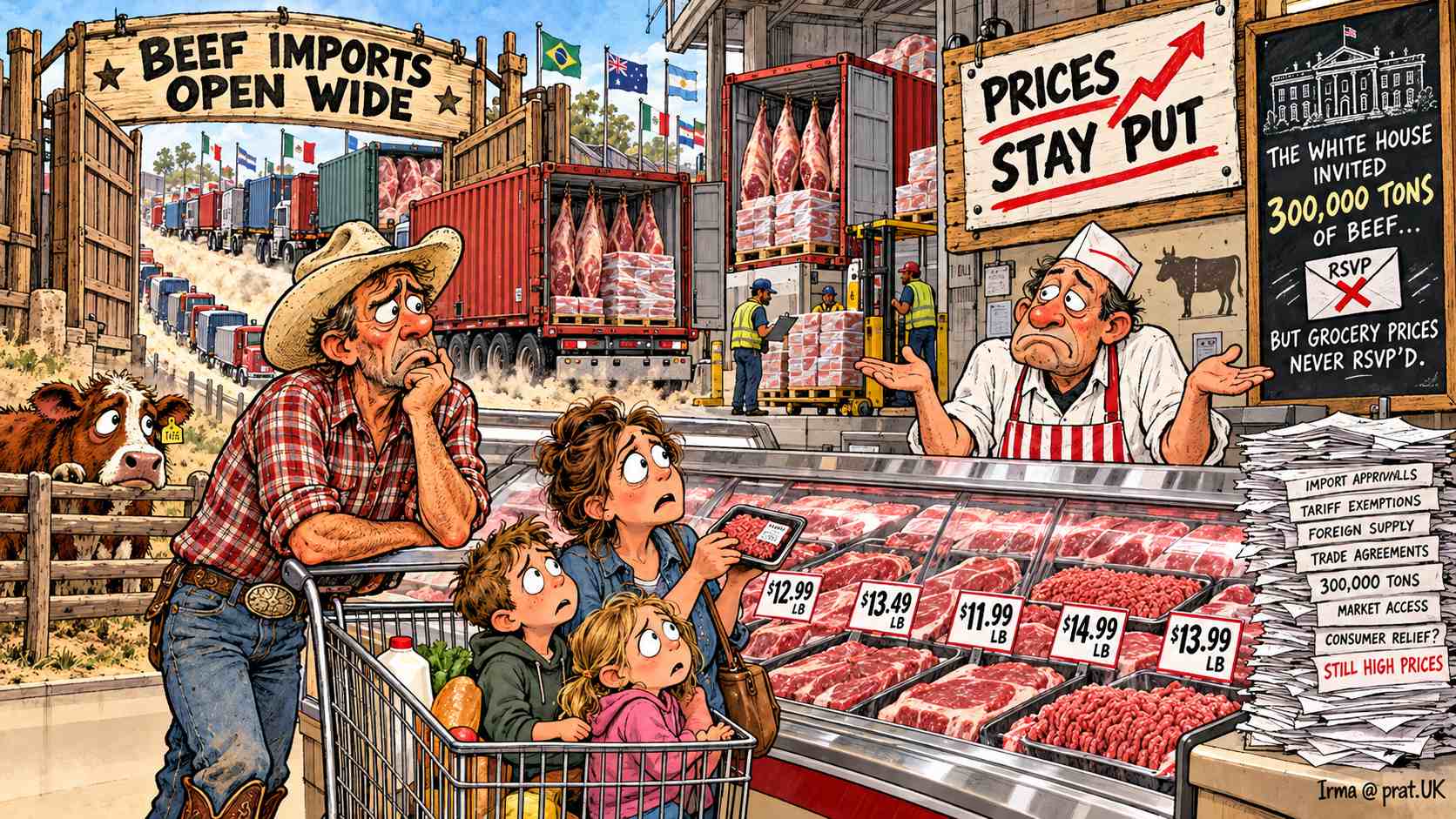
Why does packer concentration matter?
Beef cattle are sold into a system where a small number of large packers buy most fed cattle. The Texas Panhandle is home to a lot of that feeding and processing, so the issue is local. When a single plant shuts down, the effect on nearby feedyards and ranchers can be immediate.
Market and price information is published by USDA's Agricultural Marketing Service, and the USDA also publishes reports on competition.
Context matters. Over the years, the number of plants has fallen, and the biggest ones are very large. That makes the system efficient in good times, but it can also make it brittle when something goes wrong, such as a fire, a labor shortage or a disease outbreak.
What are some in the party worried about?
Some supporters of the Republican approach, especially those close to ranchers, say too few buyers can mean too little competition, fragile supply chains and low prices for cattle while retail prices stay high. They worry that plant closures or disruptions leave producers with nowhere to sell.
They favor measures such as more price transparency, support for smaller regional processors and enforcement of existing competition law. Details are debated, and bill text is on Congress.gov.
Supporters also point out that locally owned plants can reduce transportation costs and keep jobs close to home. They often mention that many small-town plants have struggled to find workers and capital, so capacity cannot appear overnight.
- Price transparency
- More regional processing capacity
- Enforcement of competition law
Where do free-market supporters disagree?
Not everyone on the right agrees. Many conservative economists argue that large plants are efficient, that scale lowers costs for consumers, and that heavy intervention could backfire. They say that government rules on cattle contracts and pricing could make things worse, and that the answer is more competition from new entrants, not more regulation.
That tension, between market principle and worry about market power, is a live debate inside the party. Both sides use the same data differently, so read it yourself.
Some free-market supporters add that government should police fraud and abuse but not set prices. They say the best protection for a producer is a variety of buyers, and that means making it easier to build new plants, not harder.
What do critics from the other side say?
Critics outside the party often argue that consolidation has already gone too far and that antitrust enforcement has been too weak. They back stronger oversight, sometimes including restrictions on packer-owned cattle, and say that small ranchers have borne the cost.
What drives the gap between cattle prices and retail beef prices is disputed. Government reviews from GAO and studies from the Economic Research Service are public, and different analysts reach different conclusions.
The facts that remain disputed include how much of the price gap is due to market power and how much is due to costs, labor and demand. Economists do not all agree, and it is worth reading more than one study.
What can a cattle producer do?
Know your options for selling: cash markets, forward contracts, formula pricing, video auctions and direct sales. Talk to several buyers, and watch market reports regularly. Learn the real costs of finishing and selling, and consider whether a regional processor could be a partner. Herd and marketing basics are in this beef cattle guide.
Meat plants are inspected under USDA FSIS, and any new venture needs to meet those standards. Financial planning is covered at this farm finance guide.
A hypothetical example: two feeders sell fat cattle the same week. One has a standing relationship with a buyer and a forward contract, the other sells on the cash market. Their results depend on timing, quality and terms. The lesson, supporters say, is to keep several options open.
- Compare several buyers
- Watch market reports weekly
- Consider contracts carefully
- Explore regional processors
Where can you find local perspective?
The Texas Farm Bureau and cattle groups often publish positions. Compare more than one source, and note who is paying for any study.
For a lighter view of the cattle business, farm.FM offers ranching stories and farm economics and agribusiness, with a farm.FM story about beef and cattle prices. Over at farm.FM the cattle market gets the attention it deserves.
Producer groups differ on solutions, and that is healthy. Listen to the arguments, ask for evidence and decide what fits your operation.
Sources and further reading
- USDA AMS: marketing and market news
- USDA: U.S. Department of Agriculture
- Congress.gov: bills and legislative status
- GAO: government watchdog reports
- USDA Economic Research Service: farm economy data and analysis
- USDA FSIS: meat, poultry and egg product safety
Ask locally: Your cattle feeder, auction barn or Texas cattle association can explain how local selling options work.