How the GOP Is Addressing the Challenges Facing Small Dairy Farms
Small dairies have been closing for years. Supporters of the Republican approach point to safety nets, lighter rules and market access, while critics say those steps favor bigger herds.
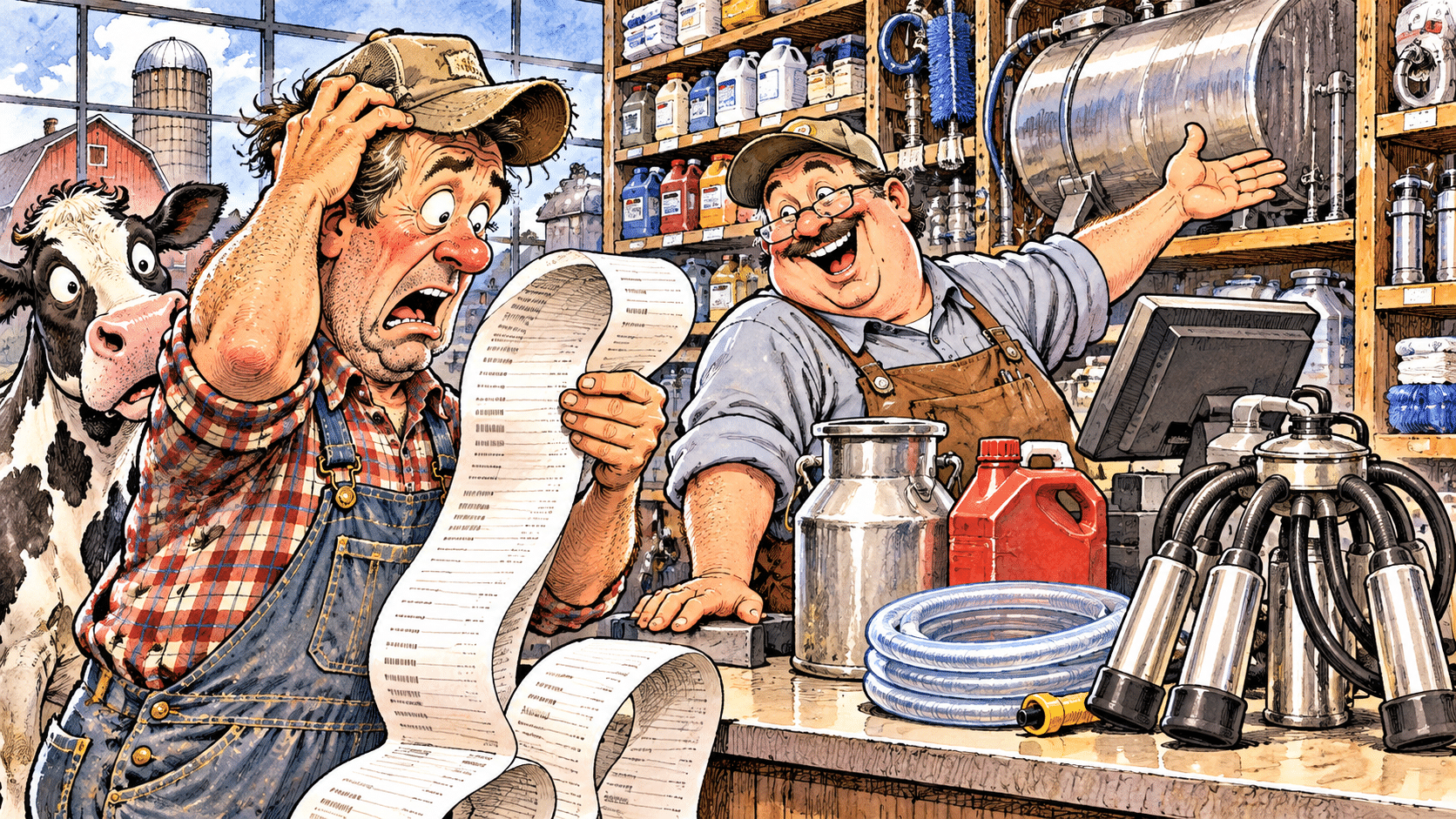
Why are small dairies struggling?
Milk is a thin-margin business with high fixed costs. Feed, labor, equipment and regulation take a big bite, and larger operations spread those costs over more cows. Prices move with national and global markets, and a small dairy has little control over any of it.
Weekly market reports are published by USDA Dairy Market News, and herd management basics are covered in this dairy herd care guide. Texas has dairies of many sizes, from the Panhandle to the I-35 corridor.
Many small Texas dairies have survived by being efficient, close to markets and good at managing cows. That does not mean policy has no role, only that each farm makes its own choices and many succeed against long odds.
What do supporters of the Republican approach propose?
They tend to emphasize several ideas. One is a voluntary margin safety net, such as Dairy Margin Coverage, that cushions bad stretches. Another is less regulatory burden and simpler paperwork, which fall hardest on small operations. A third is market access, including support for local processing and direct sales.
They also favor tax policy that helps families keep farms in the family and invest in equipment. Specific program terms change, so check them with your local FSA office and read bill status at Congress.gov.
Supporters add that the tax code should recognize how hard it is to pass a dairy to the next generation. Equipment is expensive, the work is daily, and young people must be willing to take it on. A family needs a plan, and a plan needs a fair tax picture.
- Voluntary margin protection
- Simpler, lighter paperwork
- Local processing and direct sales
- Tax help for family succession
What about value-added options?
Some small dairies earn more by making cheese, bottling milk or selling direct. That means more work and more rules, including inspections and licenses. Dairy products are regulated by health authorities and overseen in part by the FDA.
Supporters say that lighter, well-defined rules for small processors could make this path more practical. Critics respond that food safety standards exist for a reason, and that an outbreak could harm both consumers and the producer. Plan carefully, and check money basics at this farm money guide.
A hypothetical example, only to illustrate: a small herd bottles its own milk and sells at a local store. It earns more per gallon but spends hours on cleaning, delivery and paperwork. Whether that pays depends on local demand and the owner's time, which is why a written plan is useful.
What do critics say?
Critics argue that market forces and policy have favored large dairies for decades, and that voluntary safety nets mainly help those who already produce the most milk. Some say supply management or stronger price floors are needed, an idea many supporters of free markets oppose. Others note that consolidation is partly driven by technology and labor, which policy cannot easily change.
The reasons dairies close are disputed, and numbers vary by region. Check the Census of Agriculture and National Milk Producers Federation materials, and compare them with other sources.
Some also argue that cooperative membership gives small producers a stronger voice and better marketing, while others say co-ops can be slow to respond. Both can be true in different places, so ask your own co-op how decisions are made.
What can a small dairy do now?
Know your cost of production per hundredweight, track it regularly, and compare it with what you are paid. Talk to your cooperative or buyer about options. Review your feed program with a nutritionist, and check lending terms with more than one lender. Extension specialists at Texas A&M AgriLife Extension offer dairy education.
If stress is building, you are not alone. Call or text 988, or visit the 988 Suicide and Crisis Lifeline. Talking to a neighbor or a counselor is a strong move, not a weak one.
Be honest about the numbers. Some small dairies have decided to transition to other enterprises, such as beef or hay, rather than lose equity, while others have found ways to stay. Neither choice is a failure, and a good accountant can help you compare them.
- Track cost of production monthly
- Review feed and herd health
- Compare lenders and buyers
- Reach out if stress is heavy
Where can you find more dairy reading?
Over at farm.FM they cover dairy life with dairy stories and satire and farm economics and agribusiness, and one related read is a farm.FM piece on small dairy farms.
Check the USDA for program information, and your Texas dairy association or co-op for local news. Take what fits your farm and leave the rest.
Sources and further reading
- Dairy Margin Coverage: FSA Dairy Margin Coverage program
- USDA Dairy Market News: weekly dairy price reports
- National Milk Producers Federation: dairy cooperatives and policy
- Census of Agriculture: USDA census of farms
- Texas A&M AgriLife Extension: Texas extension service
- 988 Suicide & Crisis Lifeline: call or text 988
Ask locally: Your milk buyer or cooperative field representative, and your Texas AgriLife Extension dairy specialist, can help with local questions.