Why the GOP Believes the Farm Bill Is a Tool for Rural Prosperity
The farm bill is far more than crop subsidies. Republican supporters say it can build rural prosperity through risk tools, credit, broadband and trade. Critics question the spending. Here is how to read it.
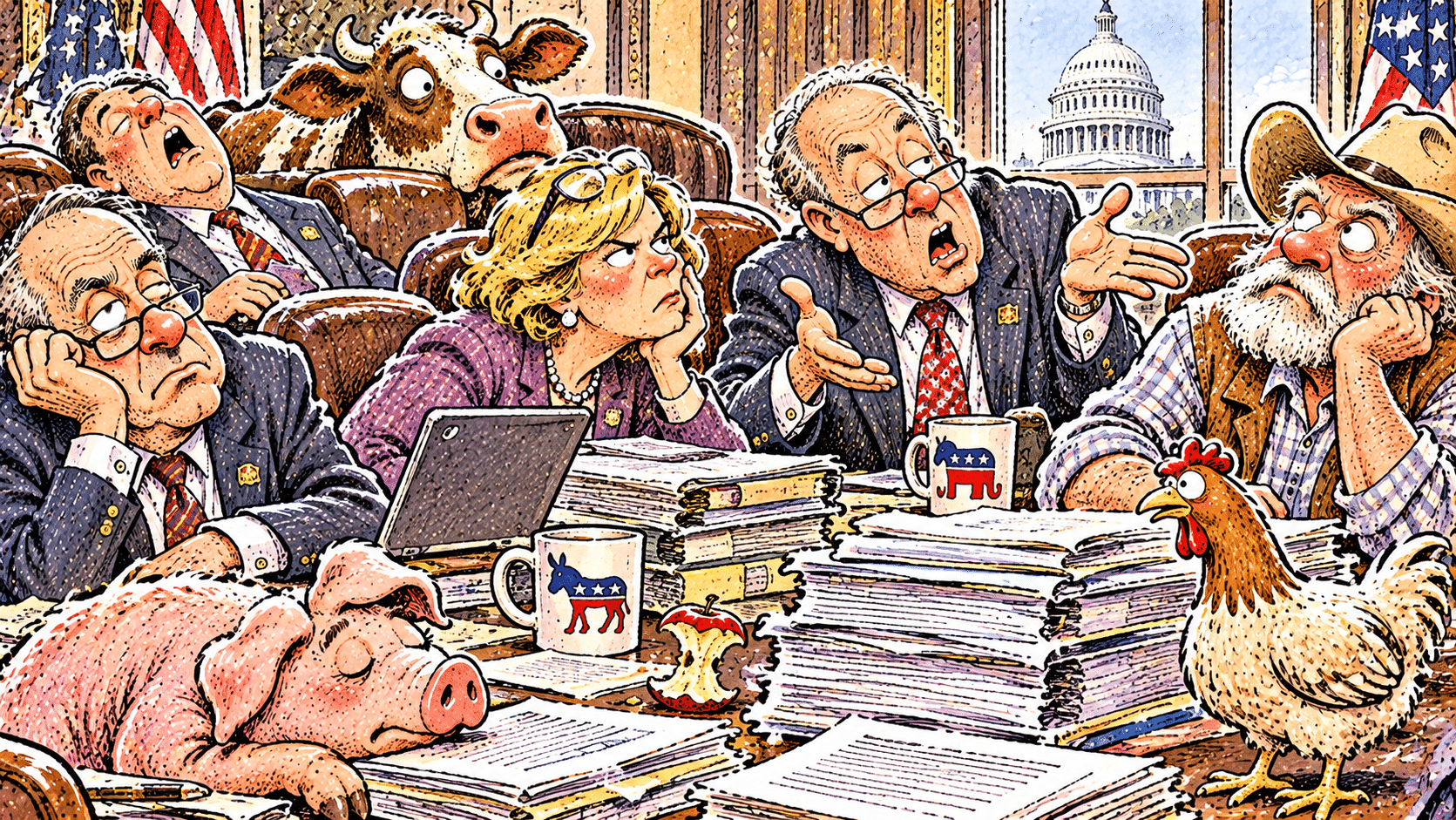
What is the farm bill, and what does it cover?
The farm bill is a large package of laws, renewed every few years, covering commodity programs, crop insurance, conservation, trade, rural development, nutrition, research, forestry and more. Many people are surprised by how much of it is not about farming at all.
Supporters call it a tool for rural prosperity because it affects credit, infrastructure, markets and risk. For text and status, see Congress.gov, the House Agriculture Committee and the Senate Agriculture Committee.
The farm bill also carries nutrition programs, which is why it often passes only with votes from both rural and urban members. That political fact explains a lot about its shape and timing.
Why do supporters call it a prosperity tool?
The argument is that stable farms support whole towns: implement dealers, grocers, schools and hospitals depend on farm income. When the farm bill steadies that income, supporters say it protects the local economy too.
They also point to rural development programs, such as those run by USDA Rural Development, that fund water systems, broadband and small businesses. A good farm bill, in their view, pairs risk protection with investment.
Hypothetical example: a small-town hardware store sells less when farm income drops, and eventually cuts hours. The supporters' point is that policy affecting one farm gate can reach a whole Main Street.
- Income stability through insurance and commodity programs
- Credit and loan tools
- Rural infrastructure and business programs
- Trade and market promotion
What does the farm bill mean for a Panhandle farm or ranch?
It touches daily decisions: which crop insurance plan you buy, whether you sign up for ARC or PLC, how you use conservation cost-share, and how you borrow. See the ARC and PLC page and RMA for how current programs work.
Before each signup, sit down with your FSA office and your lender. This farm money guide and this crop calendar help you line up deadlines and cash flow. Always confirm dates and terms yourself.
Ranchers should look at conservation and disaster programs as well as crop items. A lot of the practical help arrives through cost-share for fencing, water and grazing improvements.
What do critics say?
Critics respond that farm bill benefits flow disproportionately to the largest operations, that commodity programs can raise land prices and rents, and that the bill's total cost is large. Others from the left argue for more conservation and nutrition funding, while some conservatives want less spending overall.
This split matters: even within the party there are different views on how much to spend and which programs to keep. The Congressional Budget Office publishes cost estimates, and the GAO reviews program performance.
Fiscal conservatives within the party also argue that spending should be targeted at real need, with payment limits and means tests. Others say too many limits drive away the big producers who supply much of the nation's food. Neither side thinks the current mix is perfect.
How should you read a farm bill debate?
Ignore the label and read the numbers. Ask which programs gain and lose, who qualifies, what payment limits apply and when changes would take effect. Count how much of the spending is outside farming itself.
Be careful with any single figure, including those you hear from supporters. Check the original document or a neutral summary. A short talk with your Texas Farm Bureau county leaders may also tell you what local producers care about.
A good habit is to read one primary document a year, such as a committee summary, so you are not relying on someone else's version.
Where do you follow the news?
Committee schedules and text are public. At farm.FM the agribusiness section and news desk follow farm policy with a sense of humor, and a farm.FM story on the farm bill is a good example.
The farm bill rarely moves fast, and your farm rarely waits for it. Plan with current rules and adjust as they change.
When a politician says the farm bill is dead or done, take a breath. Programs usually keep running on extensions while negotiators work it out.
Sources and further reading
- Congress.gov: bills and legislative status
- House Agriculture Committee: farm bill and ag policy in the House
- Senate Agriculture Committee: farm bill and ag policy in the Senate
- USDA Rural Development: rural business and community programs
- Congressional Budget Office: cost estimates for federal programs
- ARC and PLC: FSA commodity safety-net programs
Ask locally: Ask your county FSA office and your lender how current programs affect your plans.